
Plus, A Tale of Two Patients: One Who Strength-Trained, and One Who Didn’t
Do you ever find yourself trying to rub out a sore spot in your neck or find it difficult to turn your head? Neck pain is a common concern that can range from a mild nuisance to a big problem. And while neck pain can have several different causes, one contributing factor often gets overlooked: weakness in the shoulders or upper back.
When we deal with persistent aches and pains, poor muscle strength often turns out to be a significant underlying factor. When a muscle isn’t as strong as it should be, other muscles have to step in to compensate, which puts unnecessary strain on them — and makes them more susceptible to overuse injuries. The result? Seemingly random aches and pains that “come out of nowhere.”
If you’re struggling with persistent neck pain, there’s a chance that the problem is rooted in your shoulders or upper back. Slouching and prolonged sitting weakens those upper back muscles, forcing your neck muscles to work overtime — and leading to pain.
Let’s look at two case studies from the Preferred Therapy Services files. Both people suffered from neck pain, but only one went through a dedicated strength training program (both names have been changed). What happened next?
🚨 Big News! 🚨
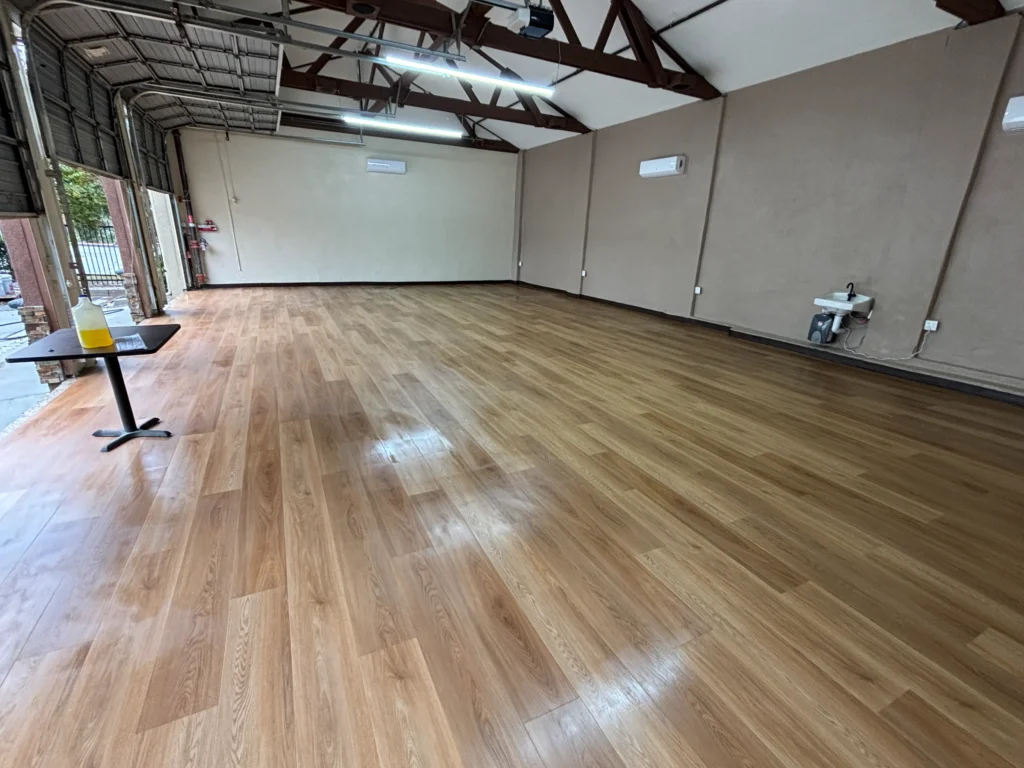
Preferred Therapy Services is expanding and opening a brand-new, larger clinic space by March 2026!
This expansion means more room, more equipment, and more ways for us to help our community move better and feel stronger.
📣 Know someone who could benefit from physical therapy? Share this newsetter!
📍 Highland, CA
🗓 Opening March 2026

Ally’s Story: No Time for Strength-Training
Ally was a receptionist who spent long days typing on a computer, answering the phone, and doing other clerical work. She started to notice a slight pain in her neck while she was at work. Although she ignored it at first, the pain persisted. She knew she needed to seek help.
Ally made an appointment with us, where we took her through a comprehensive assessment, including several movement and functional screens. We determined that she had strained the soft tissue in her neck due to her sedentary job.
We started Ally’s treatment with acute pain management using manual therapy techniques and some gentle mobility stretches, which did help her immediate symptoms. However, we knew it wouldn’t be enough to fully resolve her pain, so we suggested she begin a multi-week therapeutic exercise program to restore strength in her upper back and shoulders, helping to reduce the strain on her neck.
Unfortunately, Ally had decided to go back to school, and between work, her classes, and her family, she simply didn’t have time for physical therapy. So, while we were able to help Ally in the short term, her pain persisted in the long term, eventually landing her back in our clinic a year later.


Sarah’s Story: A Dedicated Strength Training Program
Sarah’s situation was very similar to Ally’s. She was a marketing assistant who also spent a great deal of time on both her laptop and her mobile phone, and she also experienced a gradual onset of neck pain. And, like Ally, she paid us a visit when it became too much.
We gave her a similar diagnosis: a strained neck muscle brought on by improper posture and prolonged sitting. We also provided her with acute pain relief. The difference? Sarah was able to continue her treatment with a six-week therapeutic exercise program.
We met with Sarah twice weekly to guide her through a custom set of targeted neck, shoulder, and upper back exercises. We started with gentle stretches and mobility work before progressing to resistance training exercises. With the help of some dumbbells and an exercise band, Sarah built strength through her upper body, providing her neck with the support it needed.
We also helped Sarah set up her workstation to be more ergonomic, including adjusting the height of her computer monitor and rearranging her keyboard. And we gave her some tips for maintaining postural awareness throughout the day.
The result? After six weeks, Sarah’s neck pain was entirely resolved — and she didn’t have to seek additional treatment!
Ready To Attack Your Neck Pain at the Source?
If you’re struggling with persistent neck pain, physical therapy at Preferred Therapy Services can help you find lasting relief. Just as we did with Ally and Sarah, we’ll assess your symptoms and develop a customized treatment plan that seeks to resolve your neck pain altogether.
Embrace Heart Health This Valentine’s Season
February, a month symbolizing both love and heart health, offers a unique opportunity to focus on cardiovascular well-being. Let our Preferred Therapy Services physical therapists help you commit to heart-healthy practices that enhance your overall wellness, with the following tips:
- Cardio Exercises: Engage in activities like brisk walking, swimming, or cycling to strengthen your heart.
- Partner Workouts: Valentine’s Day is perfect for trying partner exercises. Activities like dance or daily walks, holding hands, can make workouts enjoyable and beneficial for heart health.
- Stress Reduction: Our therapists can teach you stretches and mindful breathing to reduce stress and improve heart function.
- Healthy Habits: Learn about heart-healthy habits from your physical therapist, including diet and lifestyle tips.
Let’s take a step towards a healthier heart this Valentine’s month. Remember, taking care of your heart is not just for February; it’s a lifelong commitment!



Why Keeping Runners on the Road Matters to Us
By Dr. Dwight A. Salkey, DPT | Preferred Therapy Services
At Preferred Therapy Services, our mission is simple: help runners stay healthy, consistent, and happy doing what they love. Running isn’t just exercise—it’s stress relief, purpose, and identity. When injuries interrupt that rhythm, it affects far more than muscles and joints.
A Personal Reason This Matters
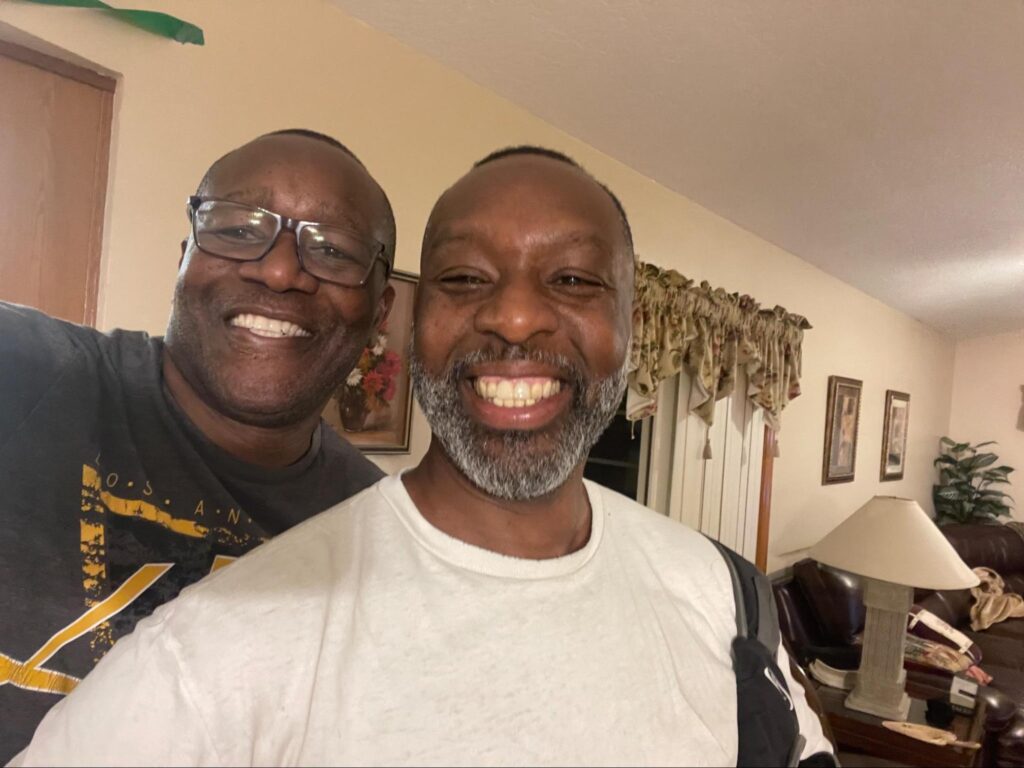
My commitment to runners begins with family. My brother, Paul Salkey, inspires much of the work we do with runners. He didn’t start as a seasoned athlete—his early 5K races were tough. Through consistency, smart training, and respect for recovery, he now runs 20–30 miles per week preparing for his next marathon.
Treating the Runner, Not Just the Pain
At Preferred Therapy Services, we don’t believe runners should simply stop running unless absolutely necessary. Our focus is on understanding why pain started, improving movement and strength, and supporting recovery so training can continue safely. Our goal isn’t just pain relief—it’s durability.
Most importantly, it works best in combination with movement and strength training, helping bridge the gap between pain and performance.
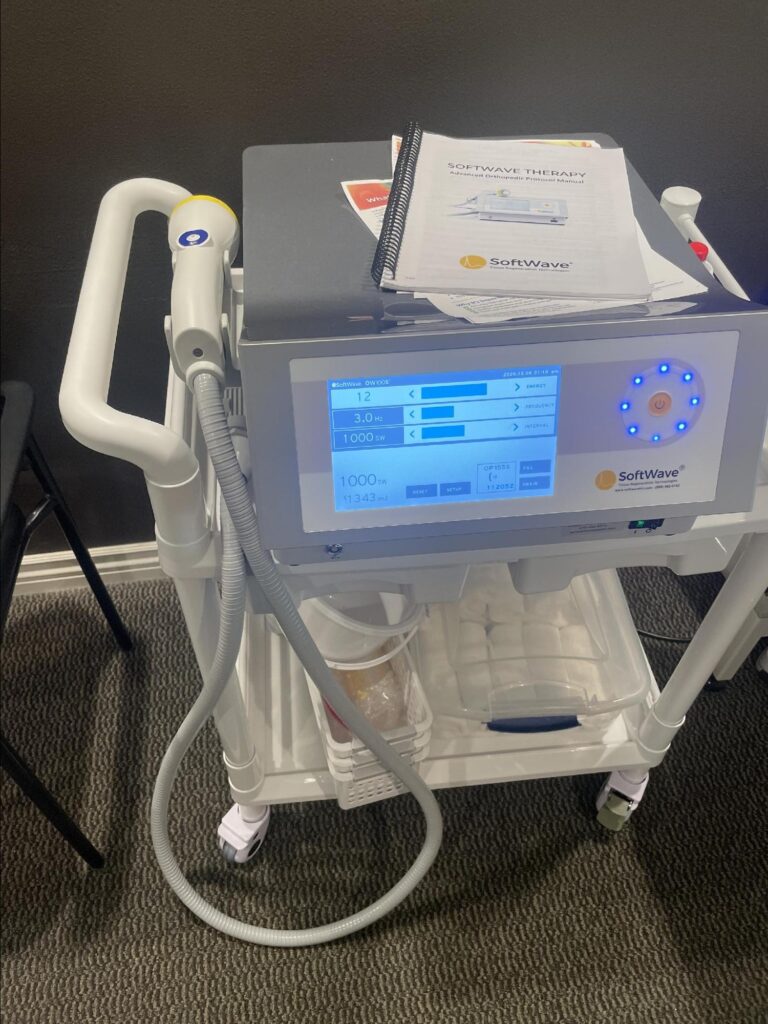
One tool we use to support runner recovery is SoftWave therapy. This non-invasive treatment helps stimulate healing, improve circulation, and support tissue recovery. For runners, it can be helpful for tendon pain, plantar fasciitis, muscle strains, and chronic overuse injuries. SoftWave is used alongside active rehabilitation—not as a standalone fix.
A Long-Term View—Because This Is a Family Business
As a family-owned clinic, we take the long view. We succeed when runners stay consistent, avoid recurring injuries, and trust their bodies again. Helping runners stay on the road isn’t just what we do—it’s why we do it.
Ready to keep running? If you’re dealing with pain or recurring injuries, our team offers runner-specific evaluations and personalized care, including advanced recovery options like SoftWave therapy.
Exercise of the Month
Dumbbell Shoulder Press
(Shoulders, Upper Arms)
Stand tall with a dumbbell in each hand, elbows bent, and weights held at shoulder height with palms facing forward. Press both dumbbells overhead until your arms are fully extended. Pause briefly at the top, then slowly lower the weights back to shoulder height. 3 Sets, 10 Reps. (Materials needed: dumbbells)
Three Exercises to Strengthen Your Shoulders and Upper Back
Maintaining strength throughout your shoulders and upper back is crucial to avoid neck pain! The physical therapists at Preferred Therapy Services can help you develop a customized exercise program that addresses your needs and fits with your abilities.
Curious about what exercises we might include in that program? Here’s an overview of three common resistance training exercises we often use to help people with neck discomfort. Before trying any of them yourself, make an appointment with our team to ensure you’re using the right weight and proper form.
1. Shoulder Press
With a dumbbell in each hand, make a “field goal” shape with your arms: your arms are bent at a 90-degree angle with your palms facing up. Brace your core as you press the weights overhead, then slowly lower them back down to your starting position.
2. Reverse Flies
Lean forward at your waist with your elbows slightly bent and a dumbbell in each hand. Slowly raise the weights until they are in line with your shoulders.
3. Modified Push-Ups
Push-ups are a great way to build upper back and shoulder strength, but if you find the standard push-up too difficult, never fear: the modified version is just as effective. Start on your hands and knees (instead of your feet) with the body in a straight line from head to knee. Slowly lower your chest until it’s a few inches off the floor, then rise back up.
A dedicated strength-training program is a great way to reduce neck discomfort. Schedule an appointment with us to get started with one of your own!

Sources: https://www.physio-pedia.com/Neck_Pain_Tool-kit:_Step_3, https://www.ncbi.nlm.nih.gov/pmc/articles/PMC6723111/, https://www.ncbi.nlm.nih.gov/pmc/articles/PMC6093121/

Heart-Healthy Valentine’s Recipe
Dark Chocolate Berry Parfait
A delicious, heart-healthy treat perfect for Valentine’s Day!
Ingredients:
- 2 cups plain Greek yogurt
- 1 cup fresh strawberries, sliced
- 1 cup fresh blueberries
- 2 oz dark chocolate (70% cocoa or higher), grated
- 2 tablespoons honey or maple syrup
- ¼ cup chopped almonds
- Fresh mint leaves for garnish
Instructions:
- In a bowl, mix Greek yogurt with honey or maple syrup until smooth.
- In serving glasses or bowls, create layers: start with yogurt, then add berries, sprinkle grated dark chocolate, and add chopped almonds.
- Repeat layers until glasses are filled.
- Top with a final sprinkle of dark chocolate and a mint leaf.
- Serve immediately or refrigerate for up to 2 hours.
Why It’s Heart-Healthy:
Dark chocolate is rich in antioxidants, Greek yogurt provides protein and probiotics, berries are packed with heart-protective compounds, and almonds offer healthy fats that support cardiovascular health. This parfait is a perfect way to show your heart some love this Valentine’s season!
Don’t Let Neck Pain Hold You Back
Struggling with persistent neck pain? Looking to build strength in your shoulders and upper back? At Preferred Therapy Services, our team creates personalized treatment plans focused on identifying and addressing the root cause of your pain — not just masking symptoms.
Schedule an appointment with us today to discover how strength training and targeted therapy can help you achieve lasting relief.
Additional Exercises
Looking to expand your upper back and shoulder strengthening routine? Here are three more exercises from our library that can help support your neck health:
Bent Over Rows
(Upper Back, Shoulders)
Hold a weight in your hand. Slightly bend your knees and bend at your waist to bring your torso forward. Make sure your back remains flat and about parallel to the floor. Pull the weight towards you, keeping your elbows close to your body. Slowly return to the starting position. 3 Sets, 10 Reps.
Standing Dumbbell Reverse Fly
(Upper Back, Shoulders)
Stand with your feet hip-width apart, holding a dumbbell in each hand. Hinge forward slightly at the hips with a flat back, letting your arms hang down with palms facing each other. Keeping a slight bend in your elbows, lift both arms out to the sides until they reach shoulder height. Squeeze your shoulder blades together, then lower back down with control. 3 Sets, 10 Reps.
Modified Push Up
(Chest, Arms, Core)
Start in a kneeling position with your hands placed slightly wider than shoulder-width apart on the floor. Walk your hands forward and shift your weight so your body forms a straight line from your knees to your head. Lower your chest toward the floor by bending your elbows, keeping your core engaged. Push back up to the starting position. 3 Sets, 10 Reps.
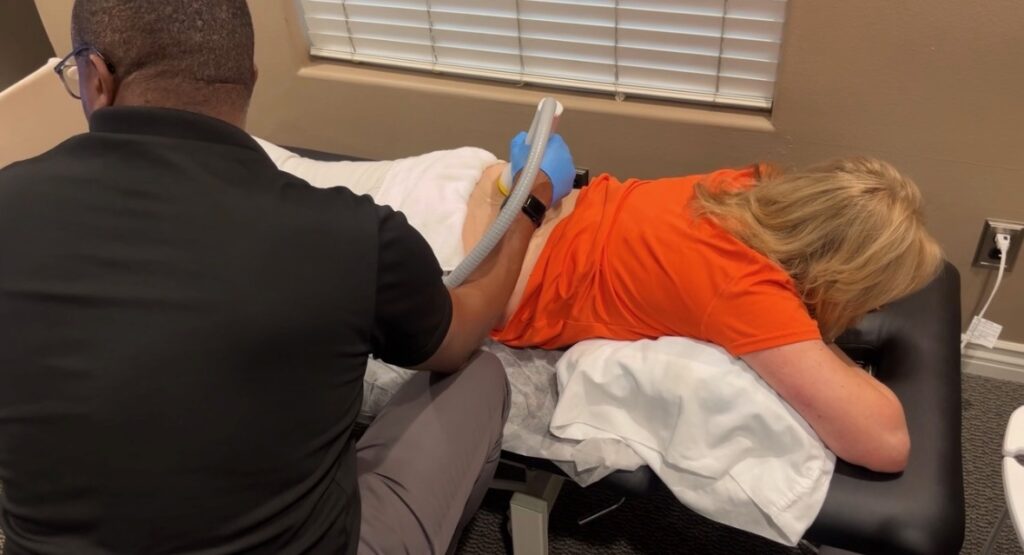
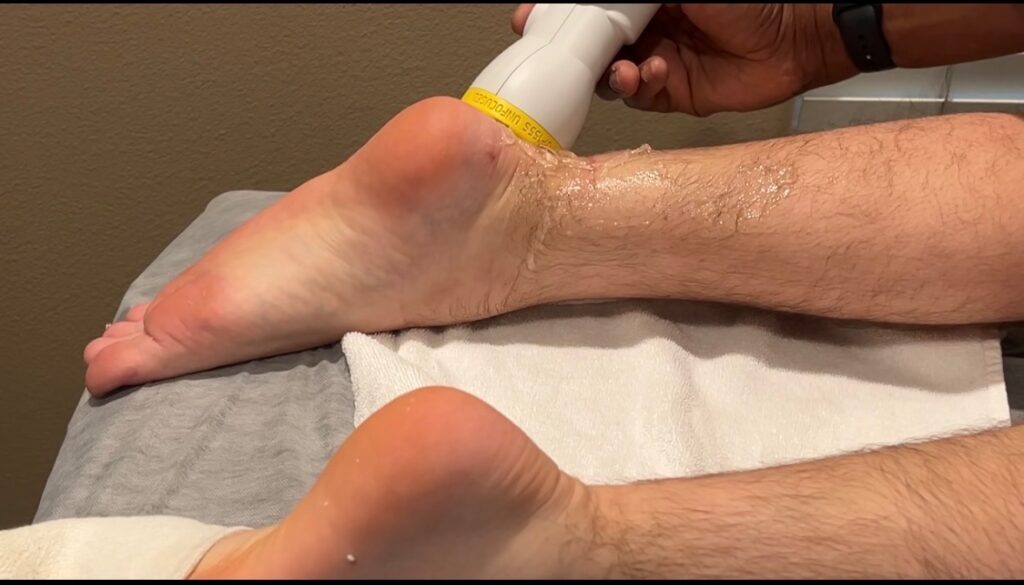
Turning Sound Into Healing Power
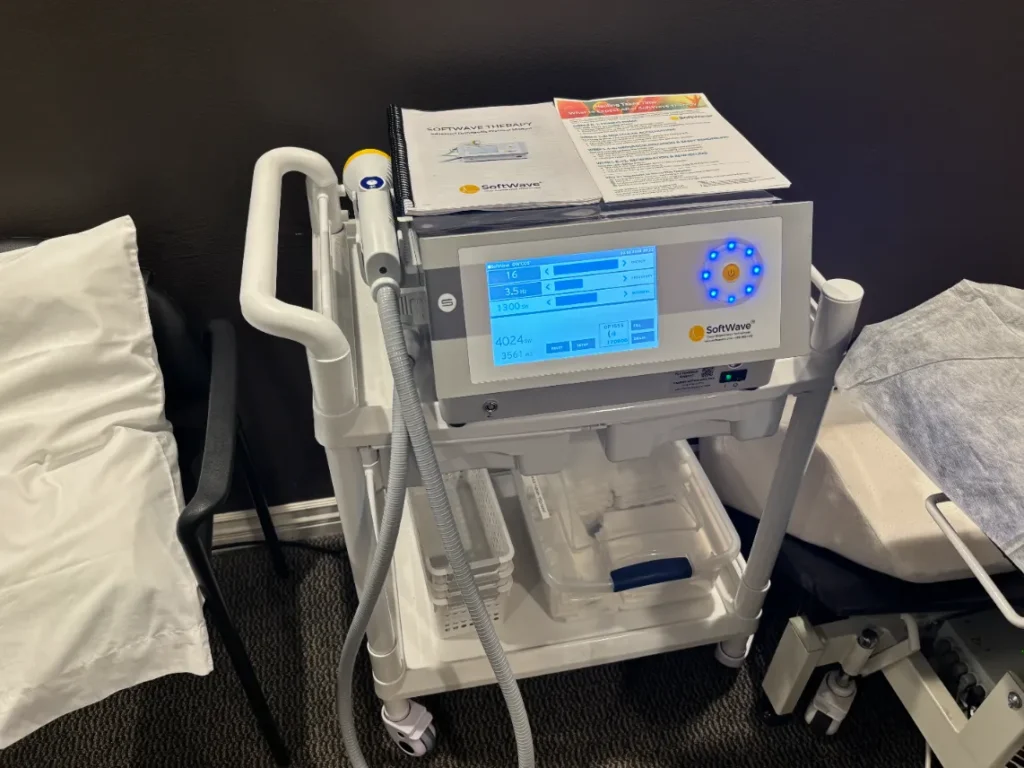
Shockwave Therapy is a noninvasive treatment designed to help your body heal when pain has become chronic or stubborn. It uses focused acoustic sound waves to stimulate injured tissue, increase blood flow, and restart the body’s natural repair process.
Treatments last just a few minutes. You may feel a rhythmic tapping or tingling sensation during the session, which many patients describe as unusual but relieving. While the treatment is brief, the healing response continues to build in the days and weeks that follow.
Shockwave Therapy may help relieve pain from:
• Plantar fasciitis and heel pain
• Tennis or golfer’s elbow
• Shoulder tendonitis and rotator cuff injuries
• Chronic neck or back pain
• Hip bursitis and IT band tightness
• Shin splints and scar tissue restrictions
By improving circulation and stimulating tissue repair, Shockwave Therapy helps calm overactive pain signals, restore movement, and support lasting relief.
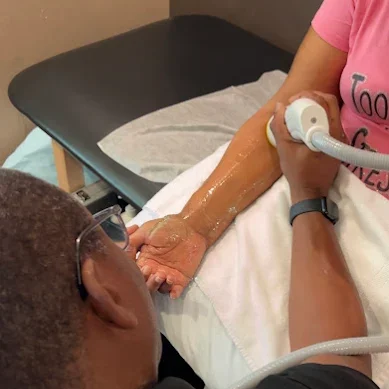
Benefits of Shockwave Therapy include:
• Reduced pain and inflammation
• Improved circulation and tissue healing
• Breakdown of scar tissue and adhesions
• Increased mobility and flexibility
• Fewer flare-ups and faster recovery
Each session builds on the last, helping you move more comfortably and get back to the activities you enjoy.