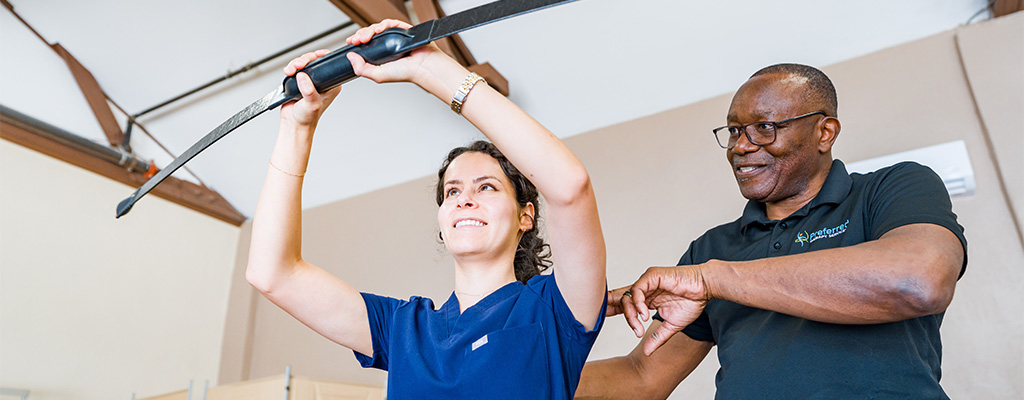
Have you noticed that you aren’t quite as steady on your feet as you used to be? Do you find yourself avoiding your favorite activities or sticking close to home because you’re worried you might fall? You don’t have to live in fear: Preferred Therapy Services offers focused, individualized fall prevention services to help restore both balance and confidence!
If you’re an older adult, it’s understandable that you might be concerned about falling. Falls are a significant source of injury and hospitalization among seniors. Furthermore, the fear of falling can profoundly impact your quality of life, as many people will avoid physical activity out of a misguided attempt to prevent falling.
Fortunately, our team has extensive experience helping older adults identify the source of their balance challenges and build a plan to improve stability, strength, and mobility. Our approach begins with a thorough evaluation and continues with one-on-one guidance in a safe, supportive environment. We can help you identify and address your specific fall risks, improve your balance and stability, and find ways to get you moving with confidence again.
Don’t let fear of falling keep you from enjoying your golden years. Call us to schedule an appointment today!
“I can’t say enough good things about Dr. Salkey. Every session is engaging and effective — a complete change from my past experiences with physical therapy. I truly look forward to each visit and to seeing my recovery continue.” – 5-Star Google Review
Understanding Your Fall Risk
It’s important that every older adult understand their fall risk. Everyone’s risk is different; falls are complex, and multiple factors can contribute to a high risk of falling. The more risk factors you have, the more likely you are to suffer a fall.
Which of these factors apply to you?
- You’re 65 years or older.
- You’ve fallen before.
- You’re sedentary.
- You have certain medical conditions, such as arthritis, diabetes, or vascular disease.
- You’ve suffered a stroke.
- You have impaired mobility.
- You have a fear of falling.
- You have impaired vision.

Know Someone Who’s Been Putting Off Their Pain?
Spring is a great time to take action — and physical therapy can make a bigger difference than most people realize. Whether it’s back pain, a nagging knee, stiffness that won’t quit, or recovering from surgery, we’re here to help.
Refer a friend this season. There’s no better gift than helping someone get back to doing what they love.
Exercise of the Month
One Leg Balance
(Ankles, Core, Balance)
Single-leg balance is essential for improving stability and walking (gait), as we briefly stand on one leg with every step. Strengthening this position can help reduce fall risk and improve confidence with movement. Stand with your hands on the back of a chair, countertop, or wall for support. Slowly lift one foot so your weight is on the opposite leg. Keep your posture tall and steady. Hold for 20–30 seconds and gradually increase time as your balance improves. 2 Sets, 1 Rep (each side).

What’s Involved in a Fall Prevention Plan?
Getting active is one of the best things you can do to reduce your risk of falling. This is why the fear of falling can be so insidious, as it prevents people from engaging in the physical activity that can protect them from falls.
For that reason, a good fall prevention plan is actually a plan to help you get more active. We’ll work with you to identify the areas holding you back from a physically active lifestyle, whether that’s pain, instability, or something else, and address them.
At Preferred Therapy Services, every fall prevention plan is personalized based on your evaluation and response to treatment. Our therapists use proven diagnostic systems to target the specific source of imbalance or weakness.
Because we customize every fall prevention plan to suit the patient’s needs, no two plans are alike. However, we’ll generally pull from the following techniques:
- Pain Management: If persistent or chronic pain is holding you back, we can help address pain through manual therapy, gentle exercise, or pain-relieving modalities.
- Balance Training: The cornerstone of any fall prevention plan, balance training consists of specialized exercises that challenge your balance. We’ll increase the difficulty as you improve, ensuring you see results.
- Strength Training: Weak muscles, especially core muscles, are a significant source of instability. We’ll show you appropriate strength training exercises that will help improve your balance while standing and walking–and make it easier for you to recover from a momentary loss in balance.
- Gait Training: Your gait refers to your walking pattern, and you’re more likely to fall if it’s impaired. We’ll help correct gait issues so you can walk with confidence.
What To Expect During Your Sessions
Your initial appointment will consist of an in-depth physical evaluation that includes the following:
- A complete health history
- Examination of your particular fall risk factors
- Movement screens to evaluate gait, mobility, strength, and balance
- Discussion of your specific goals
This information helps us create the best fall prevention plan for your needs, which we’ll guide you through during subsequent appointments. Our clinic provides a safe and supportive environment where you can work on improving your balance without fear of falling. We always meet you at your current level and adjust the plan as you improve, ensuring each session is productive and goal-focused.
🧠 Fall Risk Knowledge Check
Test your knowledge about fall prevention and how physical therapy can help.
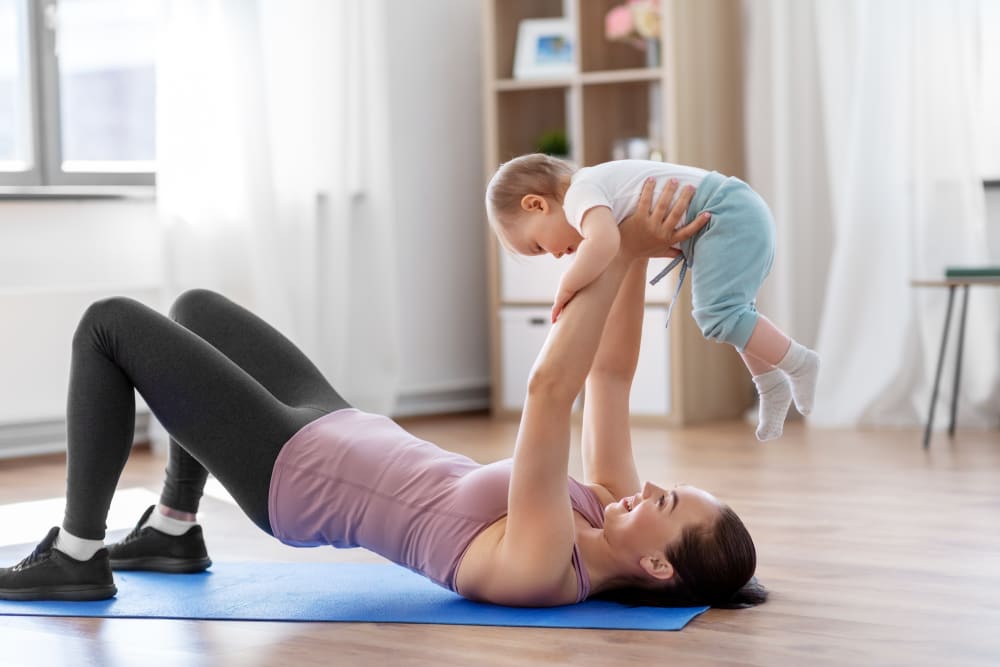
A Quick Introduction to Pelvic Floor Physical Therapy
When was the last time you thought about your pelvic floor? This sling of muscles isn’t visible, but it plays a significant role in our overall health and well-being:
- It makes up part of our core muscles, which help us move better and more effectively.
- It supports our pelvic organs–bowels, bladder, and, in women, genitals.
- If it’s impaired, you can suffer a range of symptoms, from pain to sexual dysfunction.
Pelvic floor physical therapy is a specialized form of physical therapy that focuses on matters of the pelvic floor. It uses the same principles as standard physical therapy, including identifying the source of your discomfort and providing you with a personalized treatment plan.
What Can I Expect From Pelvic Floor Physical Therapy?
- Help with pelvic-related conditions such as incontinence, pelvic pain, sexual dysfunction, or pelvic prolapse.
- A discreet space where you can freely share symptoms and work with a therapist specially trained in women’s health and/or pelvic floor issues.
- Guidance in identifying the deep muscles that might be causing you issues–such as your pelvic floor, deep abdominals, or diaphragm. These muscles are not visible, so working on them can be a challenge.
- Information about using these muscles correctly and targeted exercises to stretch and strengthen them.
- Simple pelvic floor exercise plans that you can do at home.
We offer pelvic floor physical therapy here at Preferred Therapy Services. If you’d like to learn more about what it can do for you, call us today!
Find Your Balance — Start Your Recovery Today
Don’t let a fear of falling keep you from your favorite activities. The team at Preferred Therapy Services will help you regain confidence in your movement and reduce your risk of future falls. Call today to get started with an initial fall risk assessment.
Healthy Recipe: Kale Salad with Apple, Beet & Walnuts
This nutrient-rich salad is packed with bone-supporting calcium from kale, anti-inflammatory compounds from beets, and heart-healthy fats from walnuts — all great allies for an active, balanced lifestyle.

Ingredients (serves 2)
- 3 cups kale, stems removed and roughly chopped
- 1 small apple, thinly sliced
- 1 small cooked beet, diced
- ¼ cup walnuts, roughly chopped
- 2 tbsp raisins
- 2 tbsp olive oil
- 1 tbsp apple cider vinegar
- 1 tsp honey
- Salt and pepper to taste
Directions
Massage the kale with a pinch of salt for 1–2 minutes to soften the leaves. In a small bowl, whisk together the olive oil, apple cider vinegar, and honey. Add the apple, beet, walnuts, and raisins to the kale, then drizzle with dressing. Toss well and season to taste. Serve immediately or refrigerate for up to one day.
Sources
NL 2.18 — Fall Prevention: https://www.cdc.gov/falls/facts.html | https://www.ncbi.nlm.nih.gov/books/NBK560761/ | https://www.choosept.com/guide/physical-therapy-guide-falls
SA 2.10 — Pelvic Floor Physical Therapy: https://www.choosept.com/guide/physical-therapy-guide-pelvic-pain