
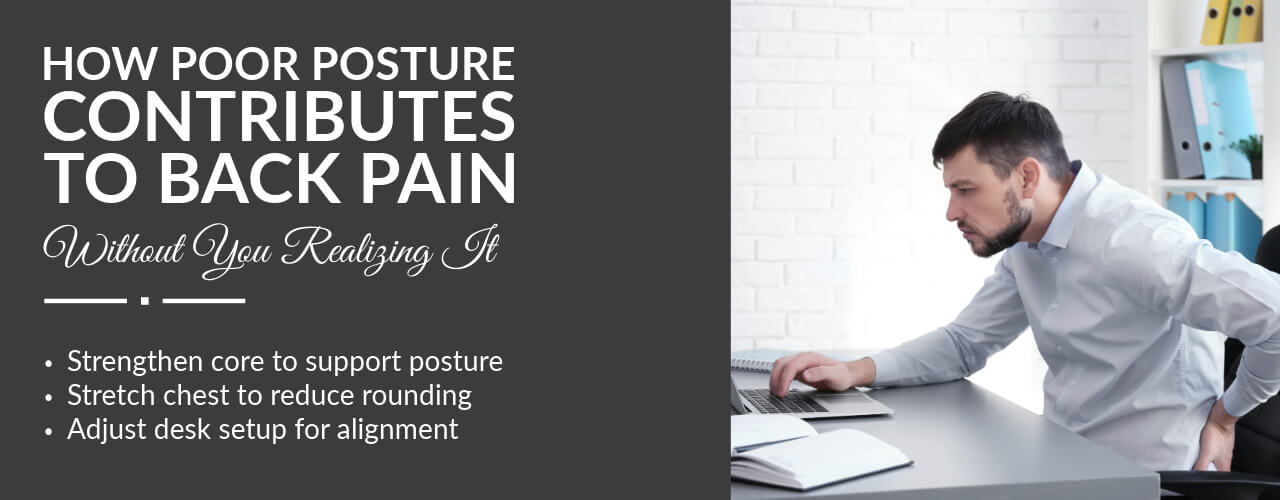

Many people experience ongoing aches and stiffness without knowing that their posture plays a key role. Over time, slouched sitting, leaning to one side, or standing unevenly can strain muscles, weaken support structures, and create lasting discomfort. The connection between posture and back pain is often overlooked until symptoms become harder to ignore. By learning how posture affects the spine and implementing simple physical therapy strategies, you can take control of your back health and feel more comfortable throughout the day.
At Preferred Therapy Services, our team helps patients identify postural habits contributing to pain and provides practical, hands-on solutions for lasting relief.
How Does Poor Posture Lead to Pain Over Time?
Your spine is designed to support movement and absorb stress. But when posture is consistently out of alignment, the muscles, discs, and joints of the back begin to work harder than they should. This added strain can lead to pain, stiffness, fatigue, and even nerve compression in some cases.
The link between posture and back pain can be subtle at first, showing up as tension at the end of the day or soreness after sitting too long. Without correction, however, those mild symptoms can progress into chronic discomfort or limited mobility.
Top 5 Physical Therapy Tips to Improve Posture and Back Pain
Here are six actionable steps to help reduce pain by improving posture, each rooted in common physical therapy practices. These strategies are easy to apply at home, work, or while on the go.
1. Strengthen Your Core for Spinal Support
A strong core provides essential support for the lower back and helps maintain upright posture without effort.
Try This
Practice abdominal bracing by tightening your core as if preparing for a light punch to the stomach. Hold 5-10 seconds while breathing normally. Repeat this during daily tasks like walking, lifting, or standing.
2. Adjust Your Workstation
Many people experience posture and back pain from long hours at a desk. Small changes to your setup can make a big difference.
Try This
Position your computer monitor at eye level. Sit with feet flat on the floor, knees bent at 90 degrees, and lower back supported. Use a small cushion or lumbar roll if needed. Set a reminder to change positions every 30 to 60 minutes.
3. Stretch the Front of the Body
Tight chest and hip muscles can pull the body forward, making it harder to maintain good posture.
Try This
Perform a standing chest stretch in a doorway. Place your forearms on either side of the doorframe with elbows at shoulder height. Step one foot forward and gently lean until you feel a stretch across your chest. Hold for 20 to 30 seconds.
4. Practice Seated Posture During Everyday Activities
Poor sitting habits are one of the leading contributors to back pain. Slouching or leaning can create muscle imbalances that take time to undo.
Try This
When seated, keep your hips and knees level, with both feet flat on the floor. Avoid leaning to one side or crossing your legs. Sit toward the edge of your seat and engage your core for short periods to strengthen posture muscles.
5. Add Movement Breaks Into Your Routine
Static positions, even with good posture, can contribute to stiffness and fatigue. Regular movement helps relieve pressure on the spine and improves circulation.
Try This
Stand up and walk for one to two minutes every hour. Add gentle stretches or shoulder rolls to release tension and reset posture. Consistent movement helps maintain spinal health and reduces pain related to sitting or standing too long.
Why Addressing Posture and Back Pain Early Matters
Waiting until the pain worsens can make a recovery more difficult and time-consuming. By focusing on small, daily changes and working with a physical therapist, you can break the cycle of strain and stiffness. Improving your posture now not only reduces discomfort but also helps prevent more serious issues such as disc compression, nerve irritation, or muscle imbalances.
At Preferred Therapy Services, we combine postural assessments, hands-on therapy, and movement training to help you build habits that support long-term back health.
Let Preferred Therapy Services Help You Move Better and Feel Stronger
If you are dealing with tension, stiffness, or unexplained discomfort, your posture may be contributing more than you realize. Our team at Preferred Therapy Services specializes in helping patients improve their posture and reduce back pain with customized care plans designed around their lifestyle.
Contact Preferred Therapy Services today to schedule your evaluation and learn how simple, guided changes can lead to lasting comfort and better movement.



Leave a Reply