
We’ve all had an arm or leg fall asleep while we’re sitting in an awkward position, which is nothing to worry about. However, when those pins and needles keep returning even when you haven’t been sitting improperly, it’s usually a sign that something else is going on.
The most obvious explanation for numbness or tingling in the arms or legs is a herniated disc (also known as a pinched nerve). This condition occurs when one of the soft, cushiony discs in the spine bulges out and irritates a nearby nerve root, and it’s something the team at Preferred Therapy Services regularly helps people manage.
However, herniated discs aren’t the only cause of tingling. These pins-and-needles-type symptoms can be linked to several other conditions that affect the nerves, muscles, or circulation.
Fortunately, like a herniated disc, these conditions often respond well to physical therapy, too. The key is to identify the true source of your symptoms so you can receive a customized treatment plan.
Additional Causes of Numbness or Tingling You Should Know
Peripheral Neuropathy
Peripheral neuropathy occurs when the nerves in your extremities become damaged, often due to diabetes, injury, or other underlying medical conditions. In addition to numbness and tingling, you might also notice reduced sensation or muscle weakness. If it affects your legs, you might also have trouble with balance.
While physical therapy can’t reverse nerve damage, our team can help you improve strength and walking patterns to reduce the risk of falls.
Carpal Tunnel Syndrome
Carpal tunnel syndrome develops when the median nerve becomes compressed as it passes through a narrow space in the wrist called the carpal tunnel. You’ll generally notice numbness or tingling in the thumb, index, or middle finger, along with reduced grip strength.
Cubital Tunnel Syndrome
This condition is similar to carpal tunnel syndrome, except it affects the ulnar nerve, which travels along the inside of the elbow and can become irritated by repeated bending or prolonged pressure. Symptoms will appear in your ring and little finger.
Physical therapy is considered a frontline treatment for both carpal tunnel and cubital tunnel syndrome, helping to restore smooth nerve movement, reduce nerve pressure, and improve hand strength and function before symptoms become too severe.
Thoracic Outlet Syndrome
Thoracic outlet syndrome occurs when nerves become compressed between the neck and the shoulder. Your symptoms will travel down the arm, and you might also experience arm fatigue or shoulder or neck pain.
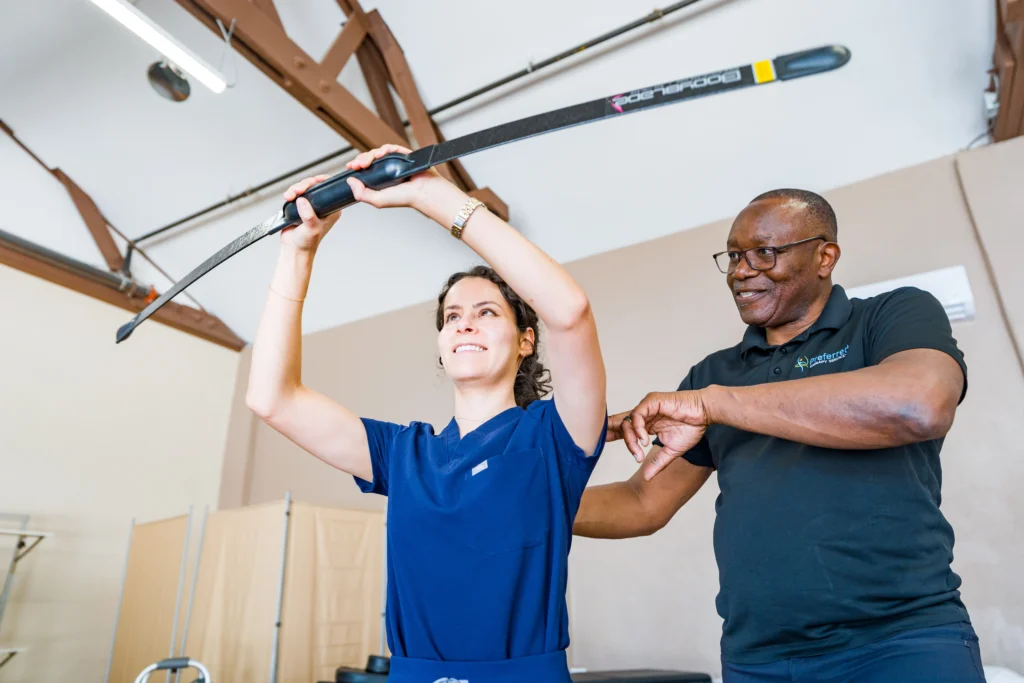
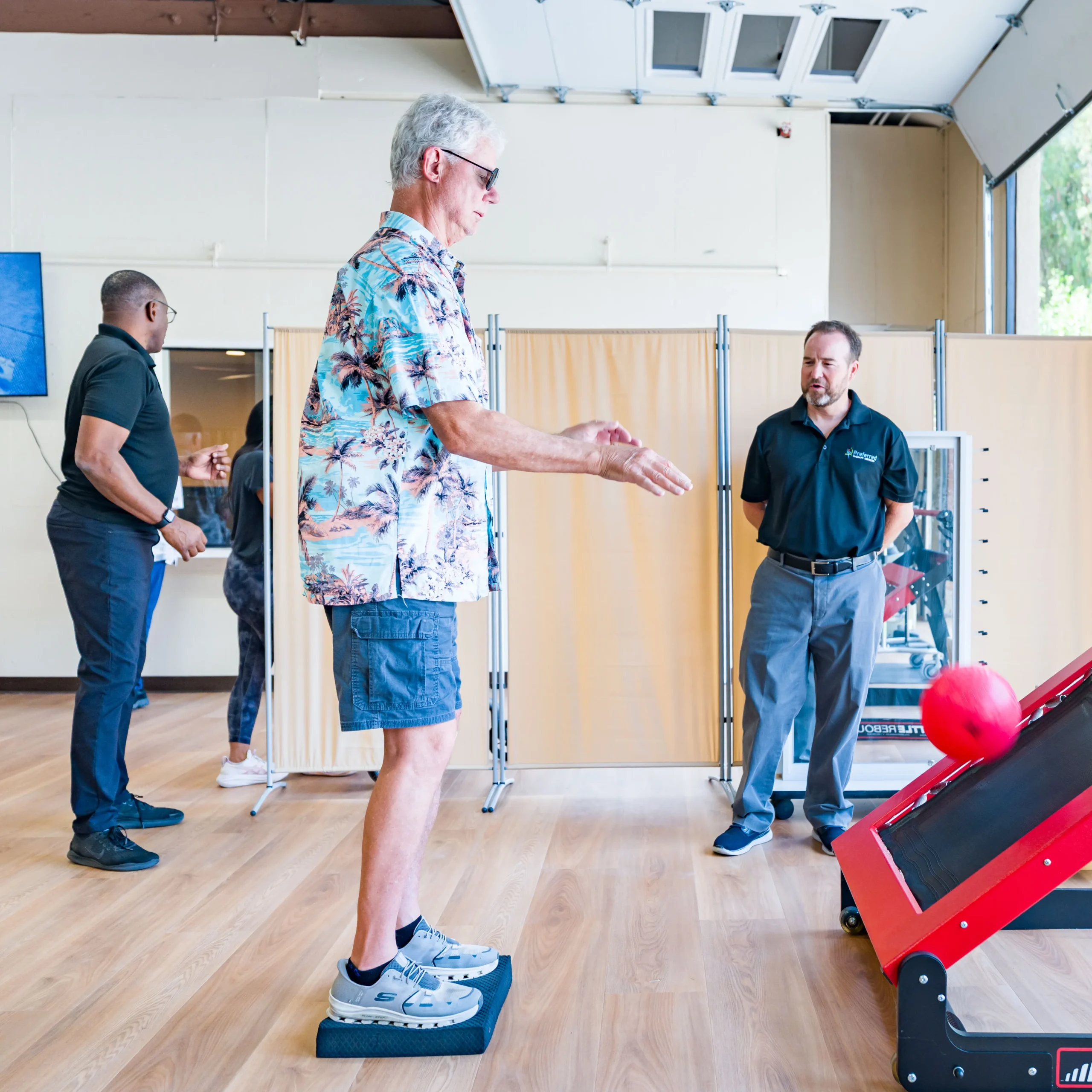
Finding Relief with Physical Therapy
As you can see, numbness and tingling can point to several different conditions. Effective treatment starts with identifying the condition that’s currently affecting you, which is why your first appointment at Preferred Therapy Services will always include a detailed evaluation.
And because the source of numbness or tingling isn’t always the affected area, we always take a full-body approach that looks beyond your symptoms. You can expect:
- A discussion about when symptoms started and what makes them better or worse
- Strength and mobility testing
- Sensation testing
- Reflex testing
- Movement assessment of the neck, back, shoulders, elbows, wrists, hips, or legs as appropriate
- Functional testing based on your daily activities and goals
A Treatment Plan Tailored to Your Needs
Depending on the underlying condition, your plan of care may include:
- Hands-on techniques to improve joint and soft tissue mobility when appropriate
- Targeted exercises to improve nerve mobility and reduce irritation
- Strengthening exercises to improve support around affected joints
- Balance and coordination training if your symptoms affect your lower body
- Learning position variety and movement habits to reduce stress on sensitive nerves
- Activity modifications that reduce symptom flare-ups while keeping you active
- Information about your condition and what you can do to manage it
Don’t Ignore Persistent Symptoms
Occasional pins and needles after sitting in one position is common. It’s when those sensations recur, spread, or start to interfere with daily activities that you’ll want the Preferred Therapy Services team to take a look.
Through our personalized, one-on-one approach to physical therapy, we work to identify the cause of your symptoms and develop a treatment plan that helps you move with greater comfort and confidence.
If numbness or tingling has become part of your daily life, don’t wait to see if it improves on its own. Schedule an initial evaluation with us today to take the first step toward lasting relief and function.
Exercise of the Month
Lower Trunk Rotations
(Lower Back, Core)
Start by lying face up on the floor with your knees bent. Allow your knees to slowly drop to one side. Your lower back should rotate, but your shoulders should stay flat on the ground. Hold for 30 seconds. Bring your knees back up and then drop them to the opposite side.
2 Sets, 2 Reps
Preferred Therapy Services
Home of the Inland Empire Center for Mobility Excellence
Restoring Movement. Rebuilding Confidence. Renewing Independence.
When Walking Becomes Difficult, Hope Begins Here
For many people, losing the ability to walk is life changing.
Whether it’s because of a stroke, surgery, neurological disease, a traumatic injury, a fall, or prolonged hospitalization, the loss of mobility affects every part of life.
At Preferred Therapy Services, we believe that every person deserves the opportunity to regain as much independence as possible.
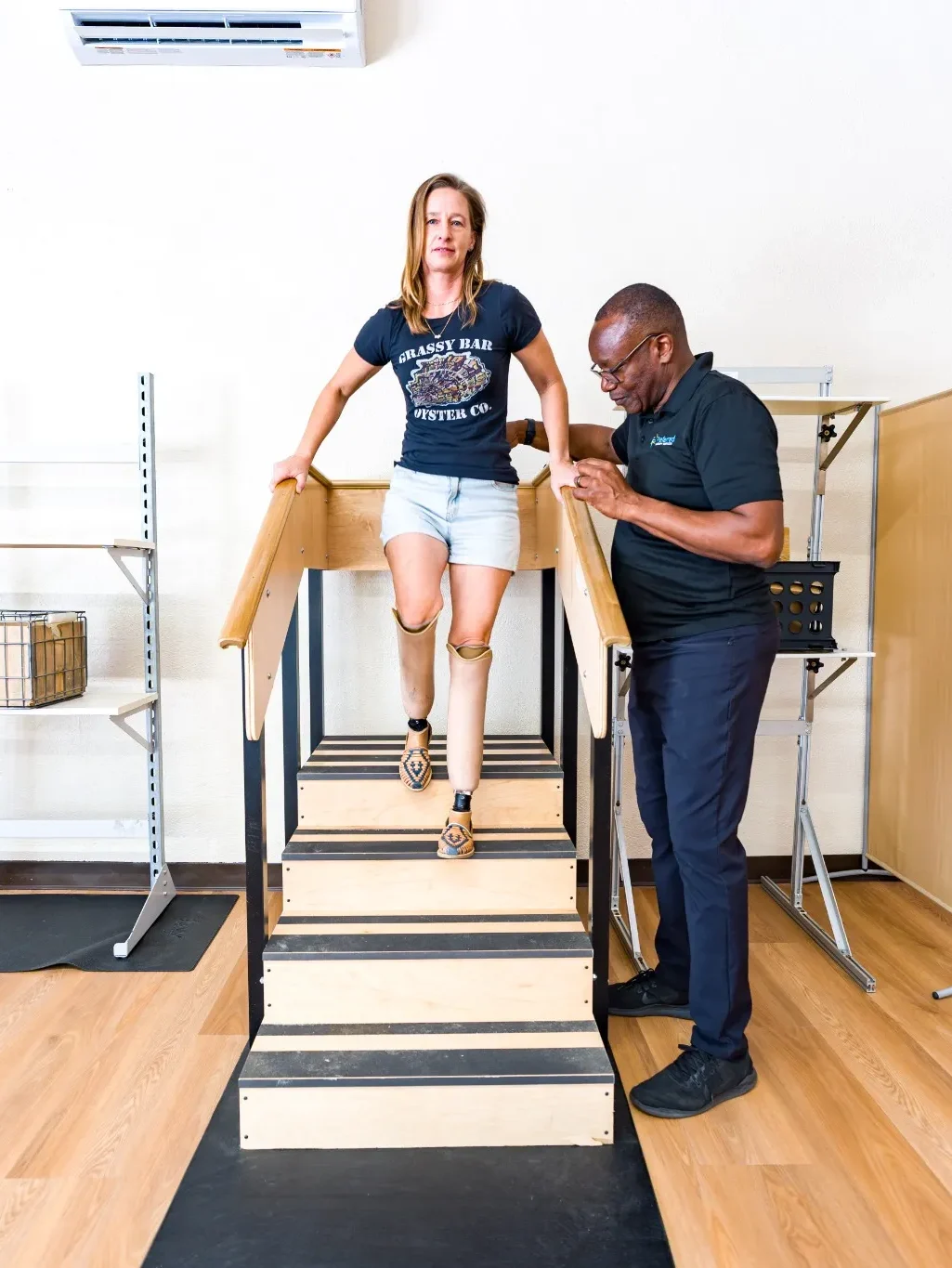
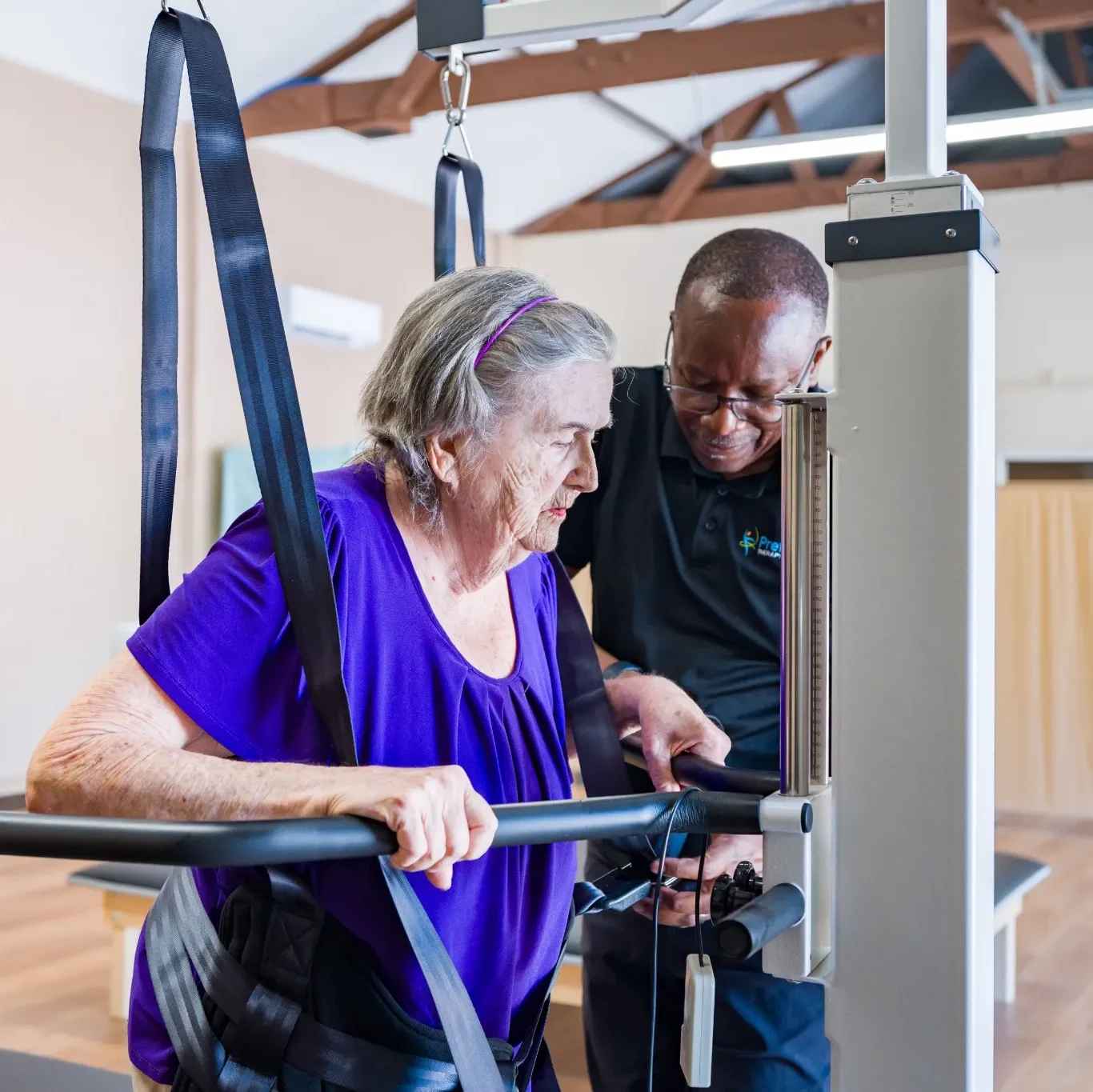
That’s why we’ve created the Inland Empire Center for Mobility Excellence—a specialized rehabilitation program focused on helping people walk farther, move better, and live more independently.
We Don’t Just Treat Injuries… We Restore Lives
Our therapists have a passion for helping people accomplish what once seemed impossible. Every treatment program is designed around one simple question: “What does this patient need to do to get back to living?”
For one patient, it may be walking to the mailbox. For another, climbing stairs. For someone else, returning to work or simply getting out of bed without assistance. Whatever your goal, we’re committed to helping you achieve it.
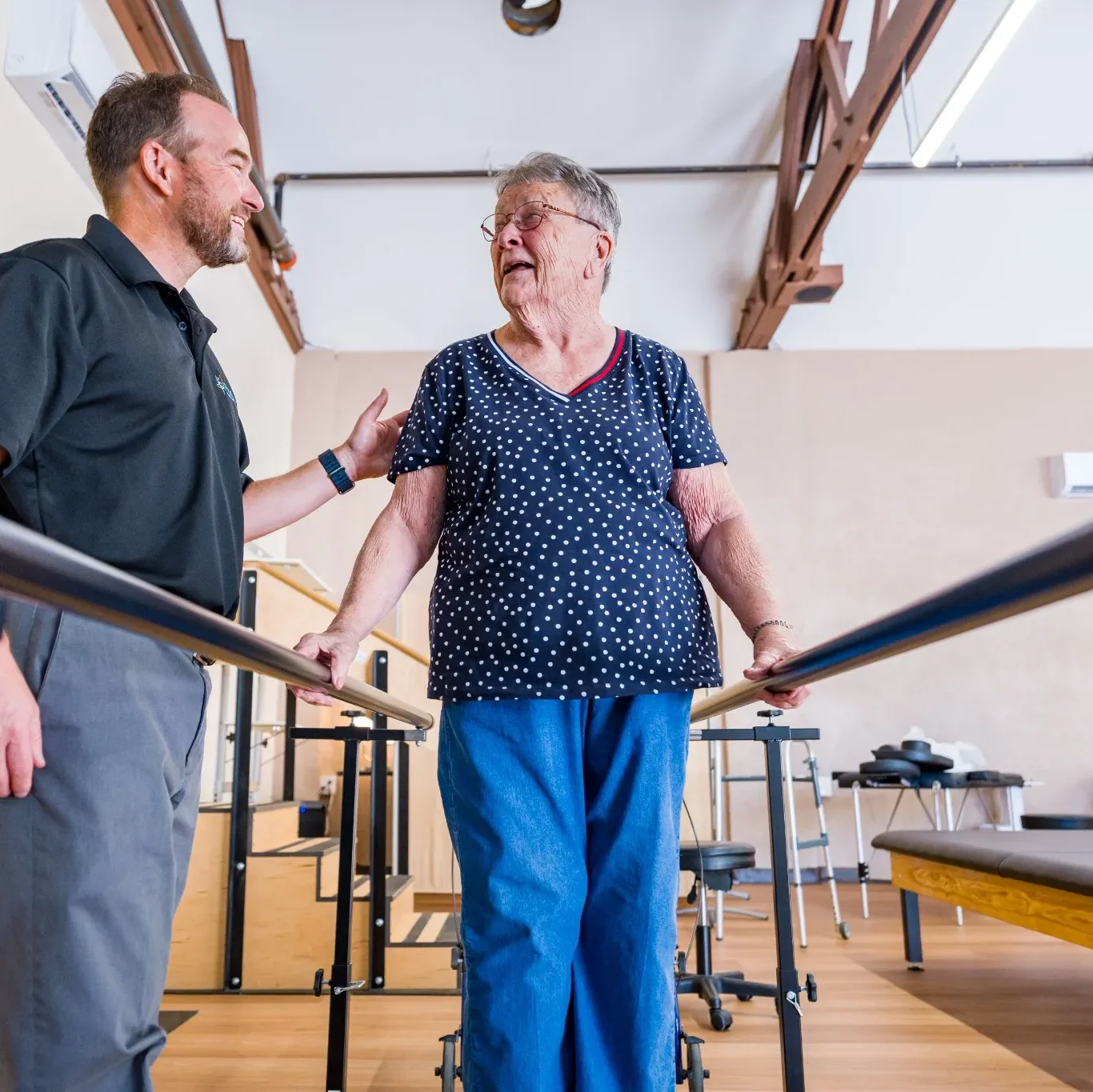
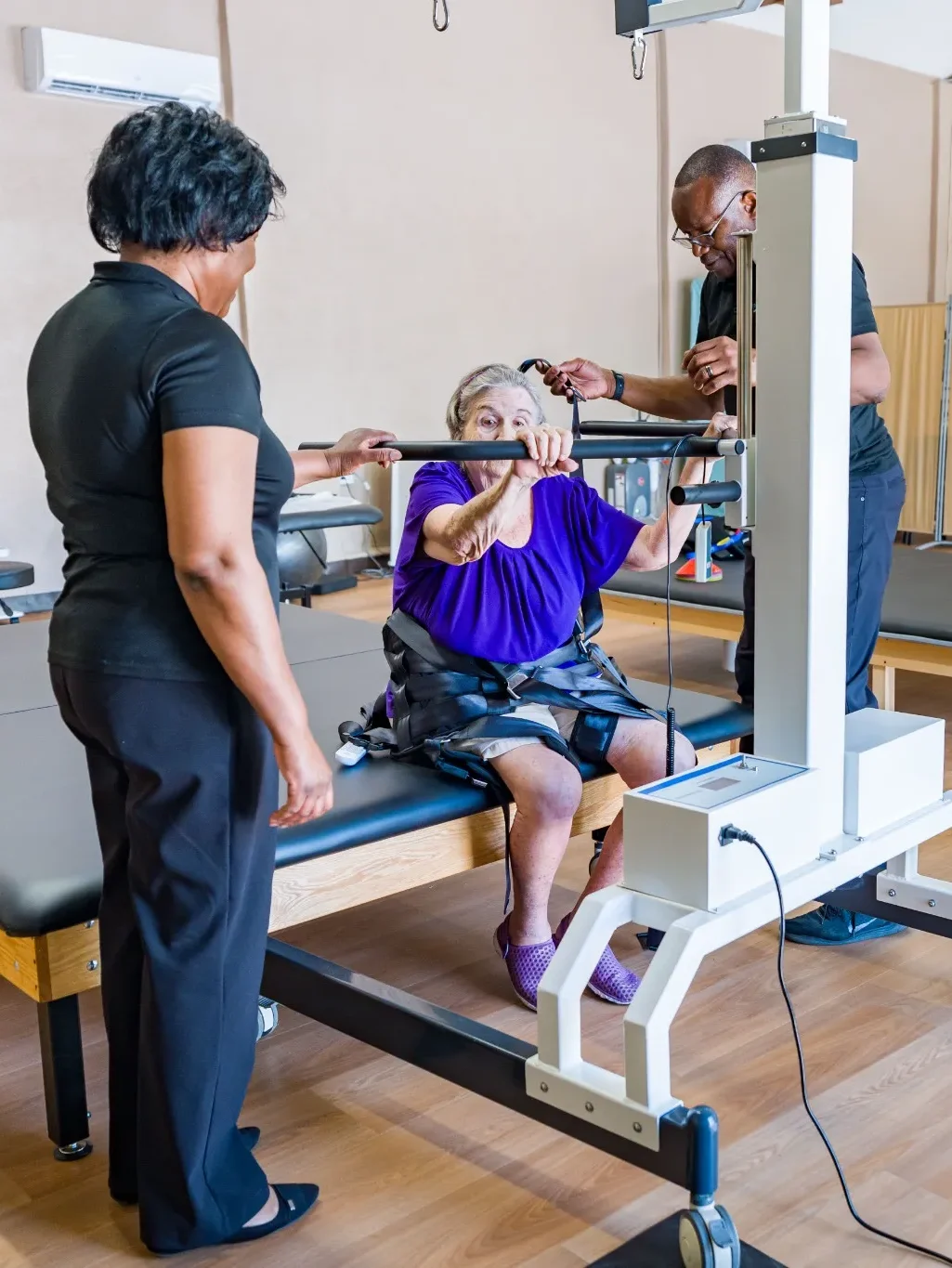
Specialized Programs Include
- Walking Recovery
- Neurological Rehabilitation
- Stroke Rehabilitation
- Parkinson’s Disease
- Balance & Fall Prevention
- Post-Surgical Recovery
- Joint Replacement Rehabilitation
- Functional Mobility Training
- Strength & Endurance Training
- Amputee Rehabilitation
- Vestibular & Balance Disorders
- Blood Flow Restriction Training
- SoftWave Tissue Regeneration Technology
Why Physicians Refer to Preferred Therapy Services
We specialize in helping patients with complex mobility limitations using evidence-based rehabilitation, advanced equipment, and individualized treatment plans. We partner with physicians to help patients achieve the highest level of function possible.
A Message to Physicians
If your patient has stopped walking, is afraid of falling, is losing independence, needs specialized gait training, or has plateaued elsewhere, send them to the Inland Empire Center for Mobility Excellence.
Give your patients another opportunity.
Give them another chance.
Give them hope.
Every Step Matters.
At Preferred Therapy Services, movement is more than therapy.
Movement is freedom.
Movement is confidence.
Movement is independence.
Movement is life.
Ergonomic Tips for Good Shoulder Health
Ergonomics is a field of study focused on optimizing the environments in which people work, ensuring a safe, happy, and productive workplace.
Whether you work in an office or at a construction site, your job might contribute to your shoulder pain. Simple ergonomic adjustments can help minimize your risk of a shoulder injury.
At Preferred Therapy Services, our team evaluates not just your shoulder joint but the entire movement system, including your spine. Our certified McKenzie therapists take a targeted approach to identifying and resolving symptoms!
If You Have an Office Job…
- Adjust your desk and chair so elbows rest at a 90-degree angle.
- Keep your mouse and keyboard close together to avoid overreaching.
- Position your monitor so the top is at or just below eye level.
- Take regular breaks to stretch and reset posture.
If You Have a Manual Job…
- Avoid bending your torso to pick up items (even if they aren’t heavy). Instead, use positioning devices (like a forklift) to bring the items right in front of you.
- Avoid repeatedly lifting items above your head whenever possible, and remember to keep what you’re lifting close to your body.
- Take regular breaks to reduce fatigue from repetitive movements.
- Warm up before the workday to prepare your shoulders and spine.
Call Preferred Therapy Services for Personalized Support
Want to reduce stress on your shoulders throughout the day? Our physical therapists offer personalized ergonomic evaluations and movement strategies to help you feel and function better. Call today to schedule your visit.
5 Star Google Review!
“I’ve only been there once, but the whole staff from the front desk throughout the building were very polite and helpful. I enjoyed my experience with Jeremy! He was so knowledgeable, helpful and made me feel very comfortable! I’d definitely recommend Preferred Therapy Services and Jeremy to all my friends and family!” –D.P.
Help us help others like you! Leave us a 5 Star Google Review and tell us how Preferred Therapy Services helped you get back to doing what you loved!
Quick Grilled Lemon-Herb Chicken Kebabs

Ingredients
- 1.5 lbs chicken breast, cubed
- 2 zucchini, 1 red bell pepper, 1 red onion (all chopped into chunks)
- Marinade: 1/2 cup olive oil, 1/4 cup lemon juice, 2 minced garlic cloves, 1 tbsp each fresh oregano & parsley, salt & pepper.
- Skewers (soak if wooden)
Directions
- Marinate: Whisk the marinade ingredients together. Set aside 1/4 cup for serving. Toss the chicken in the remaining marinade and refrigerate for 30 minutes.
- Assemble: Thread the chicken and chopped vegetables alternately onto the skewers.
- Grill: Cook on a grill or grill pan over medium-high heat (400°F) for 12–15 minutes, turning occasionally, until the chicken is cooked through.
- Serve: Drizzle the hot kebabs with the reserved 1/4 cup of marinade and serve immediately.
Take the Next Step Toward a Pain-Free Life
At Preferred Therapy Services, you are never just a number on a chart. Every treatment plan is personalized, every visit is one-on-one, and every patient is seen as a whole person — not just a condition. Whether you’re worried about falling, recovering from an injury, or simply ready to feel stronger in your daily life, our team is here to walk beside you every step of the way.
Call today to schedule your initial assessment and take that first step forward.
Sources
https://www.frontiersin.org/journals/neurology/articles/10.3389/fneur.2025.1508604/full, https://www.thieme-connect.com/products/ejournals/abstract/10.1055/a-1498-3197
https://www.osha.gov/etools/electrical-contractors/supplemental-information/solutions/tasks-arm, https://www.ncbi.nlm.nih.gov/pmc/articles/PMC8959976/