
Hip and knee replacements are among the most common surgeries in the United States. Every year, surgeons perform around 800,000 knee replacements and 450,000 hip replacements — and that number is expected to grow as the population ages.
But the surgeries themselves don’t show the entire picture. While they can offer lasting relief for people suffering from osteoarthritis, they also require extensive rehabilitation to ensure success.
Most people can expect to spend six months to a year restoring the strength and mobility in their lower body. If you skip out on post-surgical physical therapy, especially immediately after your procedure, you might continue to struggle with joint pain and restrictions in your range of motion. Fortunately, physical therapy at Preferred Therapy Services can help see you through your recovery and rehabilitation.
“My husband and I have had a wonderful experience here at Preferred Physical Therapy. They have helped both of us work through our post surgery needs. We particularly like the fact you work with the physical therapist during your entire appointment. For us, this is the best physical therapy office in the Inland Empire. Thank you so much Dr. Dwight and Dr. Jeremy!!” – 5-Star Google Review
Madeline’s Story: Finding the Trail Again
When Madeline underwent a total hip replacement at the age of 65, she had one goal in mind: to hike again.
Madeline knew that, to achieve her goal, she would need to take her post-surgical physical therapy very seriously. She began physical therapy as soon as she was cleared by her surgeon, three days after her procedure. Her PT guided her through gentle mobility exercises and helped her move around the room with her walker.
We also helped Madeline manage her initial pain levels with joint mobilizations, soft tissue manipulation, and other manual therapy techniques. In addition to helping with pain, these techniques can reduce the development of scar tissue, which can cause long-term pain issues.
It wasn’t long before Madeline began more intensive physical therapy. At her first appointment, she let her therapist know her dream of taking up hiking again, and they worked together to help Madeline achieve her goal.
Here’s what Madeline’s post-surgical therapy involved:
- Step 1: Improving her hip’s range of motion through targeted stretches and range-of-motion exercises.
- Step 2: Building strength in the muscles surrounding and supporting her hip, helping stabilize her new joint.
- Step 3: Activity-focused training to help Madeline restore her balance and ability to walk, climb stairs, and perform other movements crucial in daily life. As Madeline improved, her therapist began focusing on exercises that emulated hiking (such as walking up an incline) so Madeline could hit the trails again.
- Step 4: A hike with her new hip. After completing her physical therapy, Madeline’s PT cleared her for a gentle, three-mile hike — and Madeline celebrated every step!

Help Us Help Others: Share Your Success Story!
If our team has helped you recover and get back to doing what you love, we would be incredibly grateful if you shared your experience online. Please take a quick moment to leave us a 5-star review on Google so we can help even more people in our community live pain-free!
Exercise of the Month
Heel Slides Long Sit
(Knees, Hamstrings)
Start by sitting on the floor with both legs extended out in front of you and your back flat. Loop a strap around your foot on your injured leg and place a towel under your heel. Slowly pull your heel toward your butt by tugging on the strap until you have reached your max comfortable range of motion. Slowly allow your heel to slide back out until your leg is straight.
3 Sets, 10 Reps
(Materials needed: towel, belt)

Frank’s Story: Starting Early for Lasting Relief
Frank didn’t have a clearly defined physical goal when he underwent his total knee replacement at age 78. He’d never been particularly active, and his knee pain only made him more sedentary.
To help ensure Frank had the best possible outcomes, we actually started his physical therapy before he even went into surgery. Research shows that pre-surgical physical therapy (“prehab”) gives you a solid foundation for rehabilitation. So we set Frank up for success with a six-week prehab program that included the following:
- General fitness strategies to ensure he was in good health for his procedure
- Exercises to improve the strength and mobility of his knee joint
- Practice using a walker
Frank had initially been nervous about his surgery, but his prehab program helped build his confidence and gave him a taste of what to expect from his post-surgical rehabilitation. In fact, he was pleased to learn that his early exercises were very similar to those he had done during prehab!
Frank’s rehabilitation proceeded similarly to Madeline’s, even though he wasn’t working toward a specific goal. We worked with him to manage his pain and slowly began mobilizing his knee. As his range of motion improved, we began incorporating strengthening exercises and functional training activities so he could perform day-to-day tasks.
Physical therapy was a lot of work for Frank, but it paid off in the end: he no longer struggled with joint pain, and he was far more active and mobile than he’d been in years.
We Can Help You Find Relief, Too!
Are you scheduled for a total hip or knee replacement? Don’t underestimate the importance of physical therapy in your rehabilitation. Call Preferred Therapy Services today to learn more about how we can help!

What’s A HEP — And Why Is It So Important to Your Success?
HEP stands for “home exercise program.” If you’re undergoing physical therapy with Preferred Therapy Services, there’s a good chance your therapist will prescribe one to you.
It’s important to note that a HEP isn’t the same as an at-home workout program. With an at-home workout, your goal is general fitness. A HEP consists of curated exercises to help you achieve your rehabilitation goals.
We understand that an exercise routine can sometimes be difficult to work into a busy lifestyle. Therefore, we design our HEPs to be as straightforward as possible, with…
- Exercises you’ve done before
- A small time commitment
- Strategies for managing pain, if needed
However, we also want to make sure you understand why we prescribe a HEP at all! In fact, a HEP has multiple benefits:
- It improves outcomes: Patients who complete their prescribed HEP experience faster and more effective rehabilitation.
- It improves muscle memory: This means movements will become easier, and you’ll be able to more easily incorporate additional exercises during your in-clinic sessions.
- It helps develop a good habit: Even after you recover, regular physical activity is essential for good health. By completing your HEP, you get into the habit of moving daily.
In short, a HEP is a small way to make big changes! And if you think you might benefit from a personalized HEP, call us to schedule a consultation.
Find Relief After Surgery — Start Your Recovery Today
Don’t let post-surgery stiffness keep you from your favorite activities. The team at Preferred Therapy Services will help you regain confidence in your movement and maximize the success of your new hip or knee. Contact us today to get started with an initial post-operative assessment.
Healthy Recipe: Watermelon, Feta, and Mint Summer Salad
This classic sweet-and-savory combination is the ultimate summer refresher. It takes less than 10 minutes to throw together, requires no cooking, and is packed with hydrating watermelon.
Ingredients
- 4 cups cubed seedless watermelon (chilled)
- 1 cup crumbled feta cheese
- ½ cup red onion, thinly sliced
- ½ cup fresh mint leaves, roughly chopped or torn
- 2 tablespoons extra virgin olive oil
- 1 tablespoon fresh lime juice
- A pinch of flaky sea salt and freshly cracked black pepper
Directions
In a large serving bowl, combine the chilled watermelon cubes, crumbled feta, and sliced red onion. In a small bowl, whisk together the olive oil and fresh lime juice. Drizzle the dressing evenly over the salad. Add the fresh mint leaves to the bowl. Gently toss the salad with large spoons or your hands just until combined—be careful not to break up the watermelon or overmix the feta. Top with a pinch of flaky salt and fresh pepper to taste. Serve immediately while cold.


Getting Ready for Yard Work and Gardening: Take These Steps
- Prep Your Tools: Ensure your garden tools are clean and sharpened.
- Safety Gear: Remember to wear appropriate safety gear like gloves, sunblock, and a wide-brimmed hat to protect yourself.
- Stretch It Out: Begin with gentle stretching exercises to warm up your muscles and prevent injuries.
- Plan Your Tasks: Prioritize tasks by starting with lighter tasks before tackling heavy lifting or digging.
- Proper Posture: Maintain good posture and bend your knees when lifting to prevent back strain.
- Stay Hydrated: Keep a water bottle handy and take breaks, especially on hot days.
- Know Your Limits: Don’t push yourself too hard. Listen to your body and take breaks when needed.
- Mulch and Weed Control: Apply mulch to reduce weeds and moisture loss in the soil, making future yard work easier.
- Proper Lifting: Use your legs when lifting heavy objects and keep the object close to your body to reduce strain.
- Enjoy the Process: Take time to appreciate your efforts and the beauty of your outdoor space.
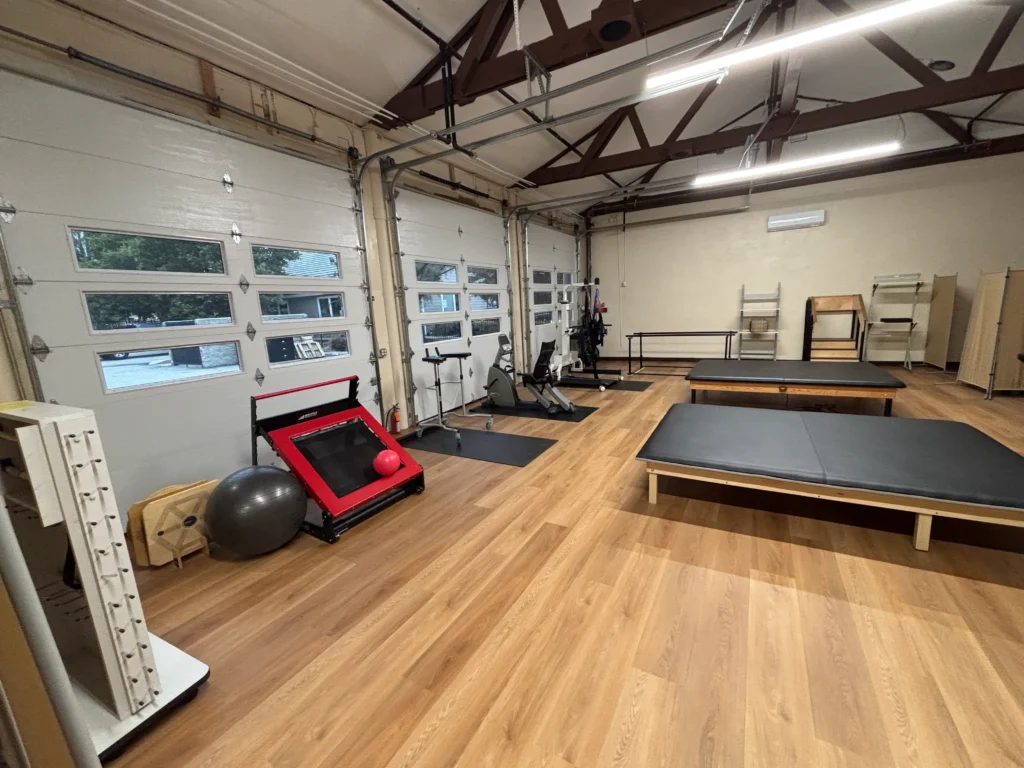
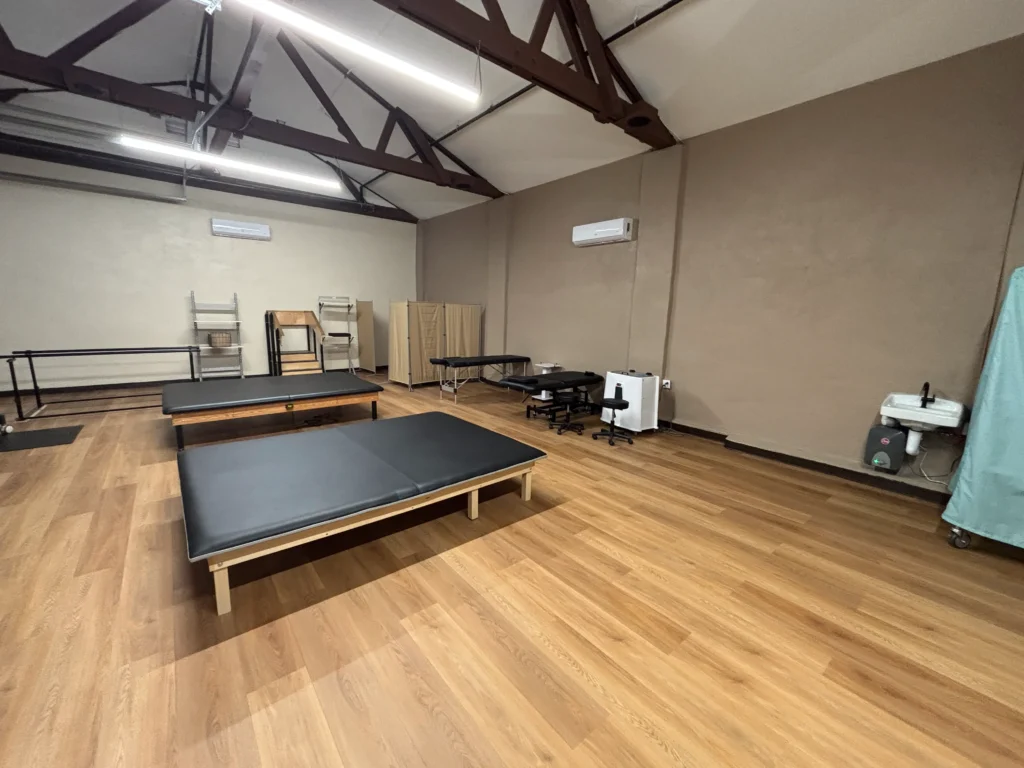
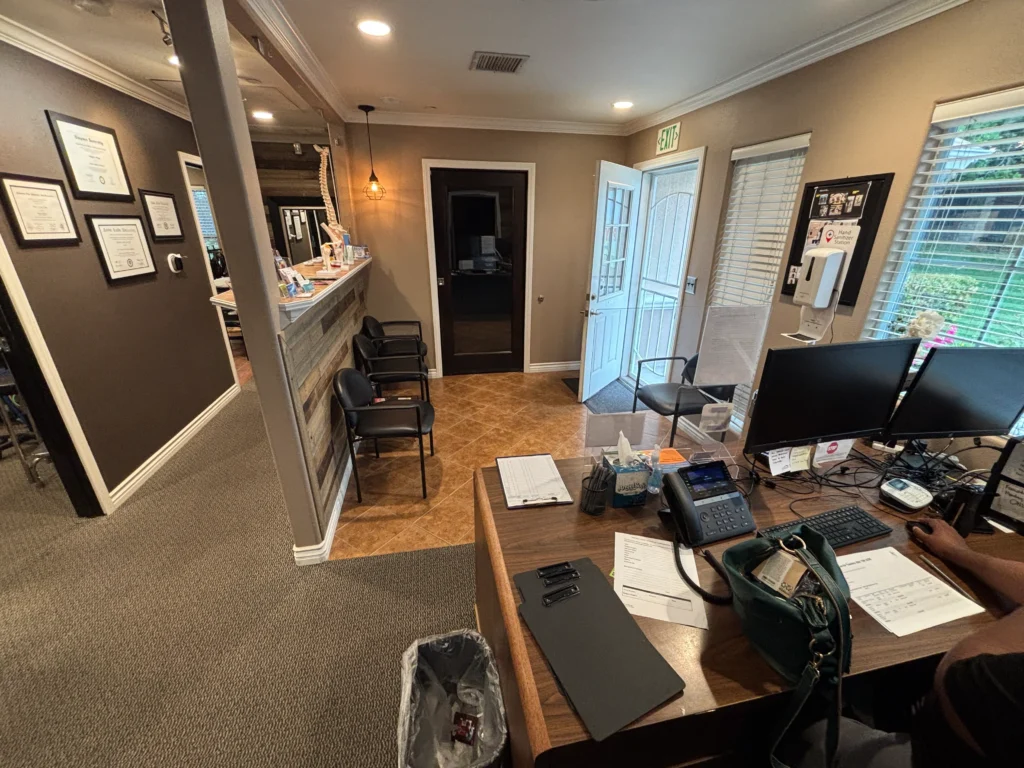
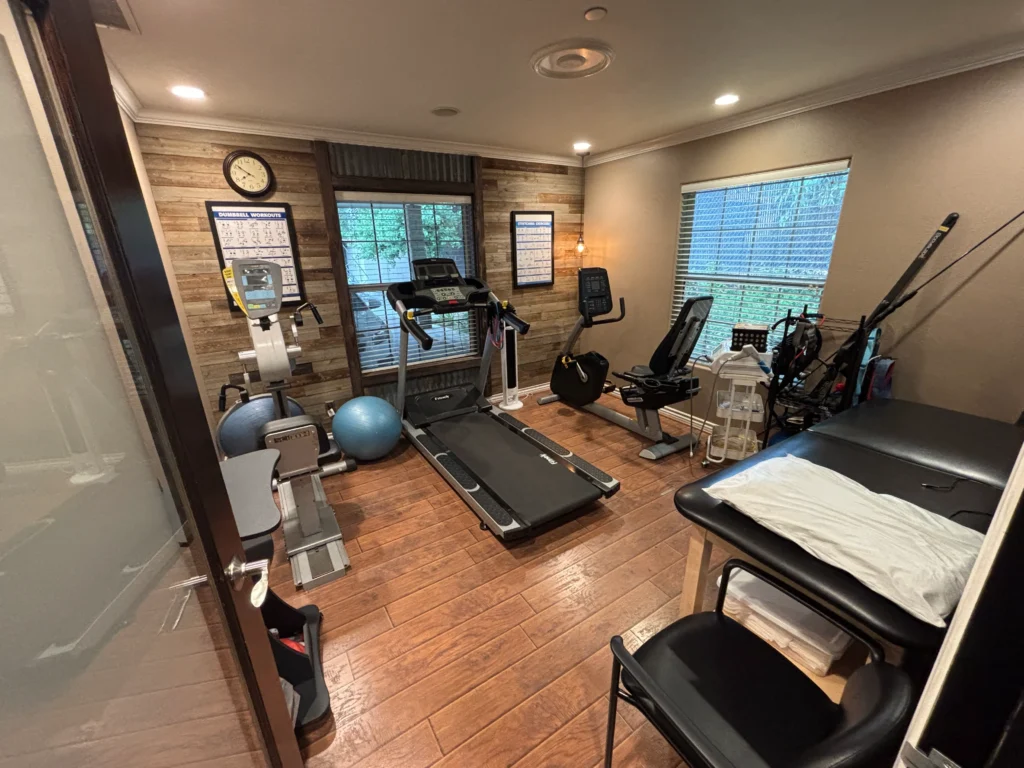
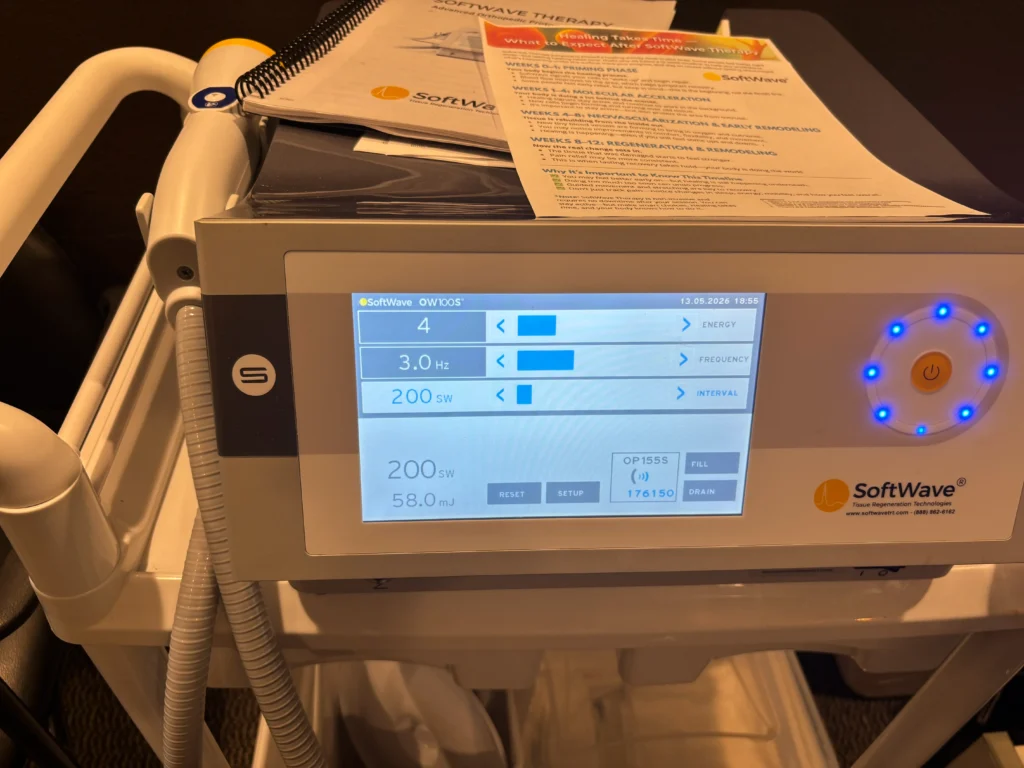
New State-of-the-Art Therapy Gym Expansion to Open Soon



Sources
https://rheumatology.org/patients/joint-replacement-surgery, https://www.choosept.com/guide/physical-therapy-guide-total-knee-replacement, https://www.choosept.com/guide/physical-therapy-guide-total-hip-replacement-arthroplasty, https://www.sciencedirect.com/science/article/abs/pii/S187706572200077X, https://www.physio-pedia.com/Adherence_to_Home_Exercise_Programs